
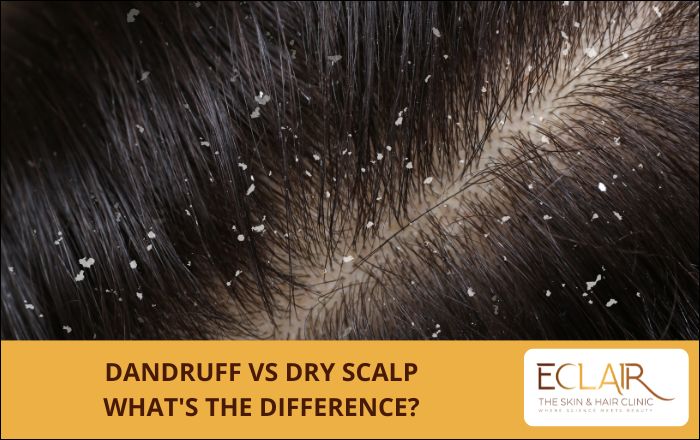
Seeing white flakes on your shoulders can be frustrating, but not every flaky scalp is dandruff. Dry scalp and dandruff can look similar, yet they have different causes and often need different care. Understanding the difference can help you choose the right treatment instead of trying products that may not address the real problem. What Is a Dry Scalp? A dry scalp usually occurs when the scalp does not retain enough moisture. Cold weather, low humidity, hot showers, harsh shampoos, frequent washing, or excessive use of styling products can strip natural oils from the scalp. The flakes caused by a dry scalp are generally small, fine, and white. You may also notice tightness, mild itching, or a rough feeling on the scalp. In many cases, the hair itself may feel dry or brittle. If your scalp feels dry after washing and improves when you switch to a gentle, moisturizing shampoo, dryness may be the main issue. What Is Dandruff? Dandruff is different. It is commonly associated with an overgrowth or imbalance of Malassezia, a yeast naturally present on the scalp. Excess oil, scalp sensitivity, and inflammation can contribute to dandruff. Dandruff flakes are often larger, more noticeable, and sometimes yellowish or oily. Itching is also common. Unlike simple dryness, dandruff can continue even when you moisturize your scalp. Some people experience recurring dandruff, particularly when the scalp becomes oily or during periods of stress or seasonal changes. Dandruff vs Dry Scalp: Key Differences One of the easiest ways to understand the difference is to look at the condition of your scalp. Dry scalp: Usually linked to moisture loss Produces small, dry white flakes Scalp may feel tight or dry Hair may also feel dry Often improves with gentle, moisturizing care Dandruff: Often linked to yeast imbalance, oiliness, and inflammation Flakes may be larger and oily or yellowish Itching can be more noticeable Scalp may appear greasy or irritated Often requires an anti-dandruff treatment However, symptoms can overlap. Conditions such as seborrheic dermatitis, psoriasis, eczema, or scalp infections can also cause flaking and itching. This is why persistent symptoms should not always be assumed to be ordinary dandruff. How Can You Tell Which One You Have? Pay attention to what your scalp feels and looks like. If you have fine flakes with an overall dry, tight scalp, dryness may be responsible. If your scalp is oily, itchy, irritated, and produces recurring flakes, dandruff may be more likely. Your shampoo routine can also provide clues. Washing your hair with very hot water or using strong cleansing products frequently can worsen a dry scalp. On the other hand, repeatedly using unsuitable hair products without addressing an underlying scalp condition may not resolve dandruff. When symptoms continue despite basic scalp care, a dermatologist can examine the scalp and determine the likely cause. What Can Help? For a dry scalp, focus on gentle scalp care. Use a mild shampoo, avoid very hot water, reduce unnecessary heat styling, and consider a moisturizing hair-care routine suited to your scalp. For dandruff, an appropriate anti-dandruff or medicated shampoo may help control flakes and scalp irritation. Ingredients such as ketoconazole, zinc pyrithione, selenium sulfide, or salicylic acid may be recommended depending on the condition. Avoid aggressively scratching or picking flakes. This can irritate the scalp and potentially cause small breaks in the skin. When Should You See a Dermatologist? If dandruff is severe, keeps returning, causes significant itching or redness, or does not improve with appropriate home care, professional evaluation is worthwhile. You should also seek dermatological advice if you notice thick scales, sores, hair loss, swelling, or signs of infection. Dandruff Treatment in Kharadi For people looking for dandruff treatment in Kharadi, Eclair The Skin & Hair Clinic provides dermatological care focused on identifying the underlying cause of scalp flaking and irritation. Rather than treating every flaky scalp as simple dandruff, a dermatologist can assess whether the problem is dandruff, dry scalp, seborrheic dermatitis, or another scalp condition and recommend appropriate treatment. FAQs 1. Is dandruff caused by a dry scalp?Not necessarily. Dandruff and dry scalp are different conditions, although their symptoms can overlap. 2. How can I tell if my scalp is dry or has dandruff?Dry scalp usually causes fine flakes and tightness, while dandruff often causes larger flakes with itching and an oily scalp. 3. Can washing hair too often cause a dry scalp?Yes. Frequent washing, especially with harsh shampoos or hot water, can remove natural oils and increase dryness. 4. Does dandruff go away permanently?Dandruff can often be controlled, but it may recur and require ongoing scalp-care measures. 5. When should I see a dermatologist for dandruff?See a dermatologist if dandruff is persistent, severe, very itchy, inflamed, or accompanied by sores or hair loss.
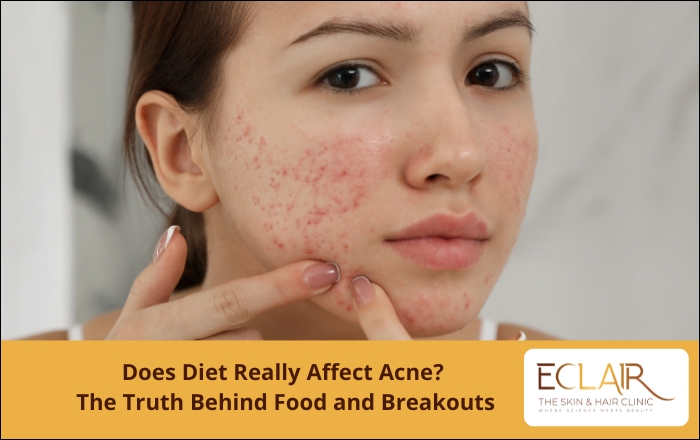
Does Diet Really Affect Acne?
Acne is one of the most common skin concerns affecting teenagers and adults alike. While hormones, genetics, stress, and skincare habits are well-known causes, one question continues to spark debate: Does diet really affect acne? The answer is yes—but not in the way many people believe. Modern research suggests that certain dietary habits can influence acne in some individuals, while others may have little to no effect. Understanding this connection can help you make better lifestyle choices and achieve healthier skin. If you’re struggling with persistent acne in Kharadi, consulting an experienced skin specialist can help identify the root cause and create a personalized treatment plan. Understanding Acne Acne develops when: Excess oil (sebum) is produced Dead skin cells clog pores Bacteria multiply inside blocked follicles Inflammation causes pimples, blackheads, whiteheads, or cysts While food alone doesn’t cause acne, certain foods can increase inflammation, oil production, or hormonal activity that may worsen breakouts. Foods That May Trigger Acne 1. High Glycemic Index (GI) Foods Foods that rapidly increase blood sugar levels may trigger hormonal changes that stimulate oil production. Examples include: White bread White rice Sugary cereals Cakes and pastries Soft drinks Candy High blood sugar increases insulin levels, which may encourage the skin to produce more sebum, leading to clogged pores. 2. Sugary Foods and Drinks Excess sugar promotes inflammation throughout the body. Common examples include: Chocolates with high sugar content Ice cream Packaged juices Sweetened beverages Desserts Reducing sugar intake may help decrease acne flare-ups in susceptible individuals. 3. Dairy Products Some studies suggest that milk, especially skim milk, may worsen acne in certain people. Possible reasons include: Hormonal components present in milk Increased insulin-like growth factor (IGF-1) Stimulation of oil glands However, not everyone experiences acne from dairy. Individual responses vary significantly. 4. Fast Food and Processed Foods Highly processed foods are often rich in: Refined carbohydrates Saturated fats Trans fats Artificial additives These foods may contribute to inflammation, making acne more severe. Foods That May Help Improve Acne A balanced diet supports overall skin health. Fresh Fruits and Vegetables Rich in antioxidants, vitamins, and minerals, these foods help reduce inflammation. Good choices include: Spinach Broccoli Carrots Tomatoes Oranges Berries Papaya Omega-3 Fatty Acids Omega-3s possess anti-inflammatory properties. Sources include: Salmon Sardines Walnuts Flaxseeds Chia seeds Zinc-Rich Foods Zinc plays an important role in skin healing. Include foods like: Pumpkin seeds Chickpeas Lentils Eggs Lean meat Probiotic Foods Healthy gut bacteria may help reduce inflammation. Examples include: Yogurt (if tolerated) Kefir Fermented foods Does Chocolate Cause Acne? This is one of the most common myths. Pure dark chocolate itself is not proven to directly cause acne. However, chocolates that contain: High sugar Milk solids Processed ingredients may contribute to breakouts in some individuals. Moderation is the key. Does Drinking More Water Cure Acne? Water is essential for overall health and skin hydration. However, drinking excessive water alone will not eliminate acne. Good hydration supports healthy skin, but acne usually requires a combination of: Proper skincare Healthy diet Medical treatment when needed Can Supplements Help? Certain supplements may improve skin health when prescribed appropriately. Examples include: Zinc Omega-3 fatty acids Vitamin D (if deficient) Avoid self-medicating, as excessive supplementation may cause side effects. Lifestyle Habits That Improve Acne Diet is only one part of acne management. For clearer skin: Wash your face twice daily with a gentle cleanser. Avoid picking or squeezing pimples. Use non-comedogenic skincare products. Sleep for 7–8 hours every night. Exercise regularly. Manage stress through meditation or yoga. Stay hydrated. Follow a balanced diet rich in whole foods. When Should You See a Skin Specialist? Consult a dermatologist if you experience: Painful cystic acne Frequent acne breakouts Acne scars Pimples that don’t improve after several months Sudden severe acne in adulthood Early treatment helps prevent permanent scarring and improves long-term skin health. Professional Acne Treatments Depending on your skin condition, your dermatologist may recommend: Medical-grade topical creams Oral medications Chemical peels Acne scar treatments Laser therapy Microneedling PRP-based skin rejuvenation (for selected cases) A personalized treatment plan offers the best results. Frequently Asked Questions (FAQs) Does eating oily food directly cause acne? Not necessarily. While oily foods don’t directly create acne, unhealthy eating habits and processed foods may worsen inflammation and contribute to breakouts in some people. Can stopping dairy completely cure acne? No. Dairy affects individuals differently. If you notice repeated breakouts after consuming dairy, consult a dermatologist before making major dietary changes. How long does it take to notice improvements after changing my diet? Skin typically takes 6–12 weeks to reflect dietary and lifestyle changes, although individual results vary. Is acne only caused by diet? No. Acne is influenced by hormones, genetics, stress, skincare habits, medications, and environmental factors in addition to diet. Which diet is best for acne-prone skin? A balanced diet rich in vegetables, fruits, lean proteins, whole grains, healthy fats, and low-glycemic foods is generally recommended for healthy skin. Diet can influence acne, but it is rarely the only cause. Choosing nutrient-rich foods, limiting high-sugar and processed foods, staying hydrated, and maintaining a healthy lifestyle can support clearer skin. If acne persists despite lifestyle changes, seeking professional dermatological care is the most effective way to prevent long-term skin damage and achieve healthier skin. About Dr. Nikita Surve – Skin Specialist in Kharadi If you’re experiencing persistent acne, acne scars, pigmentation, hair loss, or other skin concerns, Dr. Nikita Surve offers personalized, evidence-based dermatology care tailored to your skin type and lifestyle. As a trusted Skin Specialist in Kharadi, Dr. Surve focuses on accurate diagnosis and advanced treatment options to help patients achieve healthier, clearer skin. Whether you’re looking for effective acne management, anti-aging solutions, or comprehensive skincare guidance, schedule a consultation with Dr. Nikita Surve for expert care and long-lasting results.
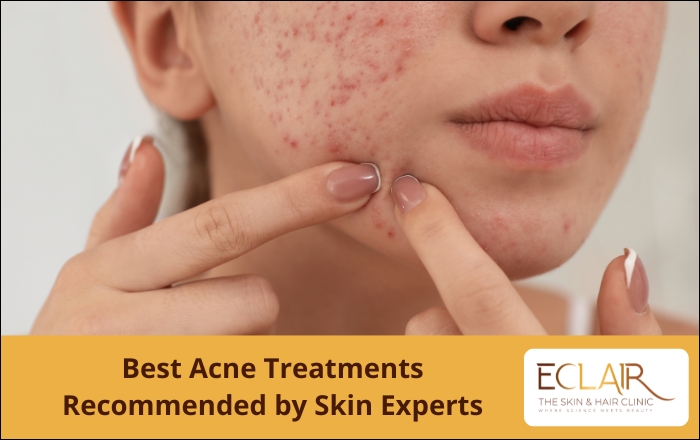
Best Acne Treatments Recommended by Skin Experts
Acne is one of the most common skin problems affecting teenagers and adults alike. Pimples, blackheads, whiteheads, and painful cystic acne can impact confidence and skin health. The good news is — acne is treatable when managed correctly with expert guidance and the right skincare routine. In this blog, we’ll explain doctor-recommended acne treatments in simple language so everyone can understand what really works. What Causes Acne? Acne develops when hair follicles become blocked with oil (sebum), dead skin cells, and bacteria. Several factors can trigger breakouts: Excess oil production Hormonal changes (teenage years, PCOS, pregnancy) Stress and poor sleep Oily cosmetics or skincare products Pollution and sweating Unhealthy diet and high sugar intake Understanding the cause helps dermatologists choose the best treatment. 1. Medical Skincare Products (Doctor-Approved) Skin specialists usually start acne treatment with medicated skincare. – Cleansers Gentle salicylic acid or benzoyl peroxide face washes Remove oil and unclog pores Prevent new pimples – Topical Creams & Gels Dermatologists may prescribe: Retinoids (reduce blocked pores) Antibiotic creams (control bacteria) Niacinamide or azelaic acid (reduce redness) Important: Avoid self-medication. Wrong products can worsen acne. 2. Oral Medications for Moderate to Severe Acne When creams alone are not enough, doctors may recommend medicines such as: Oral antibiotics to control infection Hormonal treatment for women with hormonal acne Isotretinoin for severe cystic acne (strict medical supervision required) These treatments reduce oil production and prevent long-term scarring. 3. Chemical Peels for Acne Control Chemical peels are one of the most popular dermatologist treatments. How they help: Remove dead skin buildup Reduce oiliness Improve acne marks Brighten dull skin Mild peels using salicylic acid or glycolic acid are commonly used for acne patients. 4. Laser & Advanced Acne Treatments Modern dermatology offers advanced options for stubborn acne: Laser therapy to reduce inflammation Light therapy to kill acne-causing bacteria Carbon laser facials for oily skin Acne scar reduction treatments These procedures are safe when performed by trained skin specialists. 5. Professional Acne Extraction Many people squeeze pimples at home — which causes scars and infection. Dermatologists perform sterile acne extraction, which: Removes blackheads safely Prevents permanent marks Speeds healing 6. Diet & Lifestyle Changes Recommended by Experts Treatment works best when supported by healthy habits. Skin expert tips: – Drink enough water– Reduce sugar and processed foods– Sleep 7–8 hours daily– Manage stress levels– Avoid touching or picking pimples– Use non-comedogenic skincare products Small lifestyle improvements can significantly reduce breakouts. 7. Acne Scar Prevention — Start Early Many people treat acne late, after scars appear. Early treatment helps prevent: Dark spots (PIH) Pitted scars Uneven skin texture Consulting a dermatologist early ensures faster recovery and healthier skin. When Should You See a Skin Specialist? Visit a dermatologist if you notice: Painful or cystic acne Acne lasting more than 3 months Acne leaving marks or scars Adult acne or hormonal acne Over-the-counter products not working Professional treatment saves time, money, and skin damage. Acne Treatment in Kharadi — Expert Care by Dr. Nikita Surve If you are struggling with persistent pimples, acne scars, or oily skin concerns, consulting a qualified dermatologist is essential. Dr. Nikita Surve, a trusted Skin Specialist in Kharadi, offers personalized acne treatment plans based on individual skin type and severity. Her approach focuses on accurate diagnosis, advanced dermatology treatments, medical skincare guidance, and long-term acne prevention. Patients seeking safe and effective acne treatment in Kharadi can benefit from expert evaluation and customized solutions designed to restore clear, healthy skin. Acne is treatable — but the right treatment depends on the cause and skin type. Instead of experimenting with random products, follow dermatologist-recommended therapies, maintain healthy habits, and seek expert care early. Clear skin is not about quick fixes — it’s about scientific treatment + consistency + expert guidance.
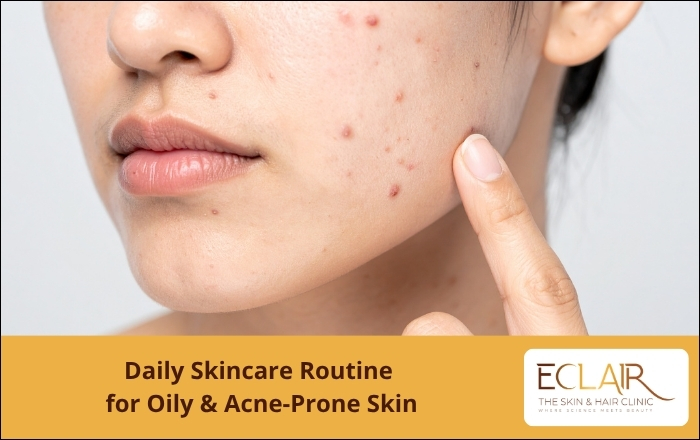
Daily Skincare Routine for Oily & Acne-Prone Skin
If you have oily and acne-prone skin, managing breakouts, excess shine, and clogged pores can feel like a daily challenge. The good news is that with the right skincare routine, you can control oil production, reduce acne, and keep your skin healthy and glowing. A simple and consistent daily skincare routine is the key. You do not need too many products—just the right ones that suit your skin type. Why Oily & Acne-Prone Skin Needs Special Care Oily skin produces excess sebum (natural oil), which can mix with dirt, dead skin cells, and bacteria, leading to: Pimples and acne Blackheads and whiteheads Enlarged pores Greasy or shiny appearance Acne marks and pigmentation Using the wrong skincare products can make the problem worse. Heavy creams, harsh face washes, and skipping sunscreen are common mistakes many people make. Step-by-Step Daily Skincare Routine for Oily & Acne-Prone Skin Step 1: Use a Gentle Cleanser (Morning & Night) Start your day by washing your face with a mild, oil-control face cleanser. Choose a cleanser that contains: Salicylic Acid Niacinamide Tea Tree Extract Gel-based formulas Avoid harsh soaps because they can dry out your skin and trigger even more oil production. Tip: Wash your face only twice a day. Overwashing can irritate the skin. Step 2: Apply an Alcohol-Free Toner A toner helps remove leftover dirt and controls excess oil. Look for ingredients like: Witch Hazel Green Tea Extract Niacinamide Rose Water (for sensitive skin) Avoid alcohol-based toners because they can irritate acne-prone skin. Step 3: Use a Lightweight Moisturizer Many people with oily skin skip moisturizer, but that is a mistake. When your skin becomes too dry, it produces even more oil. Choose: Oil-free moisturizer Non-comedogenic moisturizer Gel-based or water-based moisturizer This helps maintain skin balance without clogging pores. Step 4: Apply Sunscreen Every Morning Sunscreen is a must—even for oily skin. Sun exposure can worsen: Acne marks Pigmentation Skin inflammation Premature aging Choose: SPF 30 or higher Gel sunscreen Matte finish sunscreen Non-comedogenic sunscreen Never skip sunscreen, even on cloudy days. Step 5: Use Acne Treatment Products (If Needed) If you have active acne, your dermatologist may recommend: Benzoyl Peroxide Adapalene Retinoids Azelaic Acid Prescription acne creams Do not self-medicate. Wrong acne treatments can cause irritation and scarring. Always consult a skin specialist before starting strong acne treatments. Step 6: Weekly Exfoliation (1–2 Times Only) Gentle exfoliation helps remove dead skin cells and prevents clogged pores. Use: Chemical exfoliants like Salicylic Acid Mild exfoliating serums Avoid harsh scrubs because they can worsen acne and cause redness. Do not exfoliate daily. Lifestyle Tips for Oily & Acne-Prone Skin Skincare works better when combined with healthy habits. Follow These Simple Tips: Drink enough water Avoid touching your face often Change pillow covers regularly Remove makeup before sleeping Avoid oily and junk food Manage stress levels Sleep properly Do not pop pimples These small habits can make a big difference. Common Mistakes to Avoid Many people unknowingly make skincare mistakes like: Using too many products together Scrubbing acne aggressively Skipping moisturizer Not using sunscreen Frequently changing products Applying home remedies without advice Consistency is more important than using expensive products. When Should You Visit a Skin Specialist? You should consult a dermatologist if: Acne is painful or severe Pimples leave scars Acne keeps coming back Over-the-counter products are not helping You have pigmentation after acne Sudden increase in oiliness or breakouts Professional treatment helps prevent long-term skin damage. About Dr. Nikita Surve – Skin Specialist in Kharadi Dr. Nikita Surve is a trusted skin specialist in Kharadi known for providing personalized and effective treatment for acne, oily skin, pigmentation, hair fall, and various skin concerns. With a patient-focused approach and advanced dermatological care, she helps individuals achieve healthier and clearer skin through proper diagnosis and customized treatment plans. Whether you are dealing with stubborn acne, acne scars, or recurring skin problems, Dr. Nikita Surve offers expert guidance and professional skincare solutions for long-term results.
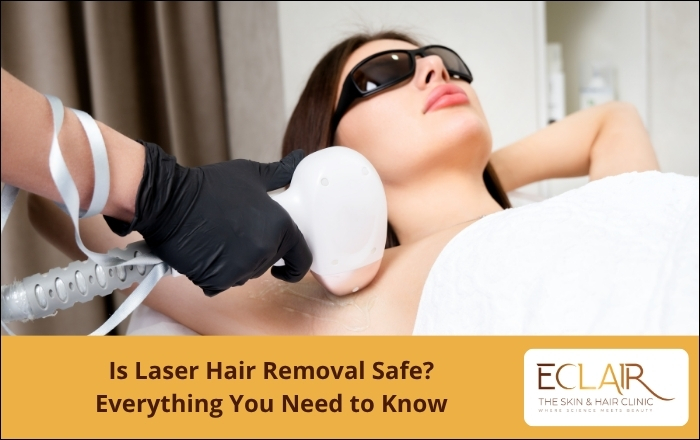
Is Laser Hair Removal Safe?
Laser hair removal has become one of the most popular cosmetic procedures for long-term hair reduction. Whether you’re tired of shaving, waxing, or dealing with ingrown hairs, laser treatment offers a convenient and effective solution. But one common question remains: Is laser hair removal safe? Let’s break it down in simple terms. What is Laser Hair Removal? Laser hair removal is a medical procedure that uses concentrated light (laser) to target and destroy hair follicles. The pigment (melanin) in the hair absorbs the light, which damages the follicle and slows down future hair growth. Is Laser Hair Removal Safe? Yes, laser hair removal is generally safe when performed by trained professionals using FDA-approved devices. It has been widely used for years and is considered a reliable method for reducing unwanted hair. However, safety depends on a few key factors: The expertise of the technician or doctor The type of laser used Your skin type and hair color Following pre- and post-treatment care instructions Common Side Effects (Temporary) Most people experience mild and temporary side effects, such as: Redness or slight swelling Mild skin irritation Sensitivity in the treated area These usually subside within a few hours to a couple of days. Are There Any Risks? While rare, some risks can occur if the procedure is not done correctly: Burns or blisters Hyperpigmentation (dark spots) or hypopigmentation (light spots) Scarring (very uncommon) Choosing a qualified clinic significantly reduces these risks. Who Should Avoid Laser Hair Removal? Laser treatment may not be suitable for: Pregnant women (as a precaution) People with active skin infections or open wounds Individuals with very light hair (laser is less effective) Always consult a professional before starting treatment. Benefits of Laser Hair Removal Long-term hair reduction Precision targeting (ideal for face, underarms, bikini area) Reduces ingrown hairs Saves time compared to regular waxing or shaving Tips for Safe Laser Hair Removal Choose a certified and experienced clinic Avoid sun exposure before and after sessions Do not wax or pluck before treatment (shaving is allowed) Follow all aftercare instructions carefully Laser hair removal is a safe and effective solution for long-term hair reduction when performed under proper medical supervision. With minimal side effects and lasting results, it has become a preferred choice for many individuals seeking smooth, hair-free skin. At Eclair The Skin & Hair Clinic patients receive advanced laser hair removal treatment in Kharadi. With experienced professionals and modern technology, the clinic ensures safe, effective, and comfortable procedures, helping you achieve smooth and confident skin with long-lasting results. FAQs (Frequently Asked Questions) 1. Is laser hair removal painful?It may feel like a mild snapping sensation, but most people find it tolerable. 2. How many sessions are required?Typically, 6–8 sessions are needed for optimal results, depending on hair growth. 3. Is it safe for sensitive skin?Yes, but a patch test is recommended before full treatment. 4. Can laser hair removal cause cancer?No, laser treatments use non-ionizing radiation and do not cause cancer. 5. Is laser hair removal permanent?It provides long-term hair reduction, but occasional maintenance sessions may be needed.
Can Stress Cause Hair Fall?
Hair fall is one of the most common concerns people face today. While factors like genetics, nutrition, and hormonal imbalance are often discussed, one major trigger is frequently overlooked—stress. If you’ve noticed increased hair shedding during difficult phases of life, you’re not imagining it. Stress can indeed play a significant role in hair loss. Let’s explore how stress affects your hair and what you can do about it. How Does Stress Cause Hair Fall? Stress impacts your body in multiple ways, including disrupting the natural hair growth cycle. Normally, your hair goes through three stages—growth (anagen), rest (telogen), and shedding (exogen). When stress levels rise, this cycle gets disturbed. 1. Telogen Effluvium This is the most common stress-related hair loss condition. A large number of hair follicles enter the resting phase prematurely, leading to excessive shedding after a few months. You may notice hair fall while combing, washing, or even touching your hair. 2. Alopecia Areata Severe stress can trigger an autoimmune response where the body attacks its own hair follicles. This leads to sudden patchy hair loss on the scalp or other areas. 3. Trichotillomania In some cases, stress leads to a psychological condition where a person feels an urge to pull out their own hair as a coping mechanism. Signs Your Hair Fall Might Be Due to Stress Sudden increase in hair shedding Hair thinning all over the scalp Hair fall after emotional or physical trauma Noticeable hair loss 2–3 months after a stressful event No family history of hair loss, yet experiencing it Other Factors That Can Worsen Stress-Related Hair Fall Stress often comes with other lifestyle changes that indirectly affect hair health: Poor sleep patterns Nutritional deficiencies Hormonal imbalance Increased use of junk or processed food Reduced self-care routines How to Control Stress-Induced Hair Fall 1. Manage Stress Effectively Practice relaxation techniques like yoga, meditation, deep breathing, or even regular walks. Mental health plays a key role in hair health. 2. Maintain a Balanced Diet Include protein-rich foods, iron, biotin, and vitamins. Foods like leafy greens, nuts, eggs, and fruits help nourish your hair from within. 3. Follow a Healthy Hair Care Routine Avoid excessive heat styling, chemical treatments, and tight hairstyles. Use mild shampoos and condition regularly. 4. Get Proper Sleep Lack of sleep increases cortisol (stress hormone) levels, which can worsen hair fall. 5. Seek Professional Help If hair fall persists for more than 2–3 months, consult a specialist to identify the root cause and start appropriate treatment. Can Hair Grow Back After Stress? Yes, in most cases, stress-related hair loss is temporary and reversible. Once the stress is managed and your body returns to normal, hair growth gradually resumes. However, early intervention can speed up recovery and prevent further damage. FAQs – Can Stress Cause Hair Fall? 1. How long does stress-related hair fall last?It usually starts 2–3 months after a stressful event and can last for 3–6 months if not managed. 2. Can anxiety cause permanent hair loss?In most cases, no. Stress-related hair loss is temporary, but chronic stress may prolong the condition. 3. How much hair fall is normal during stress?Losing 50–100 strands daily is normal, but stress can increase it to 200–300 strands or more. 4. Does meditation help reduce hair fall?Yes, meditation helps lower stress levels, which can indirectly reduce hair fall. 5. Should I take supplements for stress-related hair loss?Only after consulting a doctor. Supplements like biotin, iron, and vitamin D may help if you have deficiencies. For personalized care and effective treatment of hair fall concerns, consult Dr. Nikita Surve, a trusted expert in skin and hair health. With a patient-focused approach and advanced treatment methods, she helps individuals address the root causes of hair fall and achieve long-lasting results. If you’re experiencing hair fall and suspect stress might be the cause, don’t ignore it—your hair is often a reflection of your overall well-being.
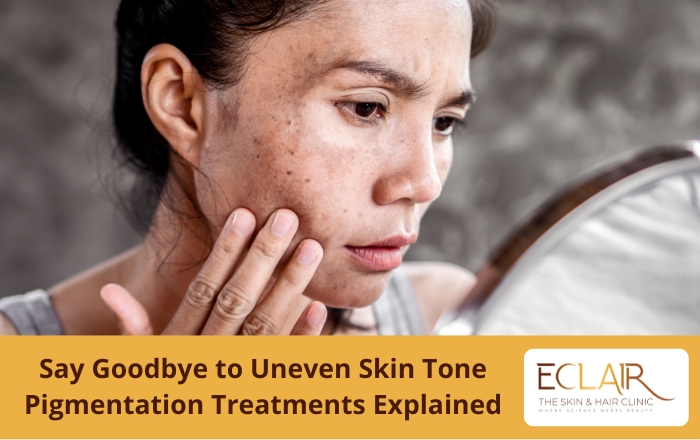
Say Goodbye to Uneven Skin Tone: Pigmentation Treatments Explained
Do you notice dark patches, spots, or uneven skin tone on your face? This common skin problem is called pigmentation. It can affect anyone, at any age. The good news is that pigmentation can be treated with the right care and medical support. What Is Skin Pigmentation? Skin color is decided by a pigment called melanin. When your skin produces too much melanin in certain areas, it leads to dark spots or patches. This is called pigmentation. Pigmentation can appear on the face, neck, hands, or other body parts. Common Types of Pigmentation Here are the most common types: 1. Sun Spots These are dark spots caused by too much sun exposure. They are also called age spots. 2. Melasma Melasma causes brown or grey patches, usually on the cheeks, forehead, or upper lip. It is common during pregnancy or due to hormonal changes. 3. Post-Inflammatory Hyperpigmentation (PIH) These dark marks appear after acne, pimples, injuries, or skin irritation. 4. Freckles Small brown spots that often appear due to genetics and sun exposure. What Causes Pigmentation? Pigmentation can happen due to: Excess sun exposure Hormonal changes Acne or skin injuries Certain medicines Genetic factors Aging Understanding the cause is important for choosing the right treatment. Pigmentation Treatments Explained Modern dermatology offers safe and effective treatments to reduce pigmentation. Let’s understand them in simple terms: 1. Chemical Peels In this treatment, a special solution is applied to the skin. It removes the top damaged layer and helps fresh, clear skin come out. It is helpful for mild to moderate pigmentation. 2. Laser Treatment Laser targets the extra melanin in the skin and breaks it down. This helps reduce dark spots and improves overall skin tone. It is commonly used for deeper pigmentation. 3. Medicated Creams Dermatologists may prescribe creams that contain ingredients like kojic acid, retinoids, or vitamin C. These help lighten dark spots slowly and safely. 4. Microdermabrasion This is a gentle skin polishing treatment that removes dead skin cells and improves skin brightness. 5. Sunscreen and Skincare Routine Daily sunscreen is very important. Without sun protection, pigmentation can come back even after treatment. How Long Does It Take to See Results? Pigmentation treatment is not instant. Mild cases may improve in a few weeks, while deeper pigmentation may take a few months. Regular sessions and proper skincare are important for the best results. Can Pigmentation Be Prevented? Yes, you can reduce the chances of pigmentation by: Using sunscreen daily (SPF 30 or higher) Avoiding too much sun exposure Treating acne early Following a proper skincare routine Consulting a dermatologist for any skin changes Uneven skin tone can affect your confidence, but it is treatable. With the right diagnosis and professional treatment, you can achieve clearer and healthier skin. Always consult a qualified skin specialist to understand what works best for your skin type. Visit Eclair The Skin & Hair Clinic for Pigmentation Treatment in Kharadi If you are looking for professional pigmentation treatment in Kharadi, Eclair The Skin & Hair Clinic offers advanced and safe solutions for uneven skin tone, melasma, sun spots, and acne marks. With modern technology and personalized treatment plans, the clinic focuses on delivering natural-looking and long-lasting results. Visit : Eclair The Skin & Hair Clinic – Dr. Nikita Surve, Skin Specialist in Kharadi Address : Office No. 109 1st Floor, ZEN SQUARE, opp. Eon Free Zone Road, Phase II, Kharadi, Pune, Maharashtra 411014 Contact Number : +91 86260 96494
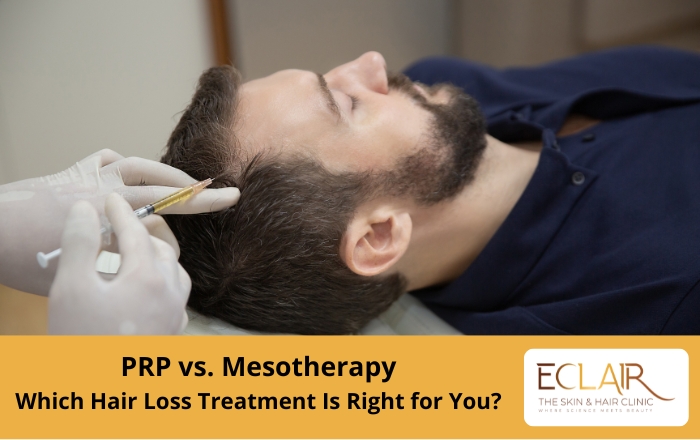
PRP vs. Mesotherapy: Which Hair Loss Treatment Is Right for You?
Hair loss is one of the most common problems seen in both men and women today. Stress, hormonal imbalance, poor diet, pollution, and genetics can all lead to thinning hair. The good news is that modern treatments like PRP therapy and Mesotherapy can help control hair fall and improve hair growth. But many people ask — PRP vs. Mesotherapy: which hair loss treatment is better? In this blog, we will explain both treatments in simple language so you can understand which option may be right for you. What is PRP Hair Treatment? PRP stands for Platelet-Rich Plasma. In this treatment: A small amount of your blood is taken. The blood is processed in a machine to separate the platelet-rich plasma. This concentrated plasma is injected into the scalp. Platelets contain growth factors that help: Stimulate hair roots Improve blood supply Reduce hair thinning Promote natural hair growth Since PRP uses your own blood, it is considered a safe and natural treatment. Benefits of PRP for Hair Loss 100% natural (uses your own blood) No major side effects Improves hair thickness Suitable for early-stage hair loss Helps in male and female pattern baldness What is Mesotherapy for Hair Loss? Mesotherapy is a treatment where a mixture of: Vitamins Minerals Amino acids Hair growth boosters is injected directly into the scalp. These nutrients help: Nourish weak hair roots Improve scalp health Reduce hair fall Strengthen thin hair Mesotherapy is especially helpful when hair fall is caused by nutritional deficiency or poor scalp health. Benefits of Mesotherapy Improves scalp nutrition Reduces dandruff and dryness Strengthens weak hair Quick procedure with minimal downtime Which Hair Loss Treatment Is Better? There is no one-size-fits-all answer. If your hair loss is due to genetics or hormonal issues, PRP may give better results. If your hair fall is due to stress, poor diet, or scalp problems, Mesotherapy may be more helpful. In some cases, dermatologists recommend combination therapy for better and faster results. The right treatment depends on: Your age Type of hair loss Stage of baldness Overall health That is why proper consultation with a qualified skin and hair specialist is important before starting treatment. Is PRP or Mesotherapy Painful? Both treatments involve small injections into the scalp. Mild discomfort may be felt, but numbing cream is applied to reduce pain. Most patients tolerate the procedure well. How Soon Can You See Results? Hair fall reduction can be noticed within 1–2 months. Visible hair growth usually starts after 3–4 months. Full results are seen after completing recommended sessions. Patience and consistency are important for best results. Who Should Avoid These Treatments? People with severe bald patches Patients with certain blood disorders (for PRP) Active scalp infections Pregnant women (depending on case) A proper medical evaluation is necessary before starting. Final Thoughts Both PRP and Mesotherapy are effective non-surgical hair loss treatments. The right choice depends on your hair condition and medical history. Early treatment gives better results, so do not ignore continuous hair fall. If you are confused about which treatment is suitable for you, consult a qualified dermatologist for a personalized treatment plan. Consult Dr. Nikita Surve – Skin & Hair Specialist in Kharadi If you are looking for advanced hair loss treatment in Kharadi, consult Dr. Nikita Surve – Skin & Hair Specialist in Kharadi. Dr. Nikita Surve offers personalized treatment plans for: PRP Hair Treatment Mesotherapy for Hair Loss Hair Fall Treatment Acne & Skin Treatments With expert diagnosis and modern technology, you can get safe and effective solutions for your hair concerns. Book your consultation today and take the first step towards healthier, thicker hair. Frequently Asked Questions 1. Which is better for hair loss, PRP or Mesotherapy?PRP is better for genetic hair loss, while Mesotherapy works well for nutritional and scalp-related hair fall. 2. How many PRP sessions are needed for hair growth?Usually 3–6 sessions are recommended, depending on hair condition. 3. Is Mesotherapy safe for hair treatment?Yes, when performed by a qualified dermatologist, Mesotherapy is safe and effective. 4. When will I see results after PRP treatment?Hair fall reduces within 1–2 months, and visible growth can be seen after 3–4 months. 5. Can PRP and Mesotherapy be combined?Yes, in some cases doctors combine both treatments for better and faster results.
What to Eat for Clear Skin and a Natural Glow
Your skin reflects what’s happening inside your body. Let’s make it glow from within. Want to know the secret to beautiful, glowing skin? It starts with what you eat! If you’ve been struggling with breakouts, dull skin, or uneven tone, your diet might be the missing piece of the puzzle. Let’s explore the best foods for clear skin and discover how simple changes to your plate can give you that natural, radiant glow you’ve been dreaming of. The Food-Skin Connection: Why Your Diet MattersYour skin is your body’s largest organ, and just like your heart or brain, it needs proper nutrition to function well. When you eat foods packed with vitamins, minerals, and healthy fats, your skin gets the fuel it needs to repair itself, fight inflammation, and stay healthy. Think of it this way: acne, dryness, and premature aging often happen when your skin isn’t getting enough nutrients. The good news? You can change this starting today! Top Foods to Eat for Clear Skin 1. Fatty Fish (Salmon, Mackerel, Sardines)These fish are loaded with omega-3 fatty acids that reduce inflammation and keep your skin moisturized from within. Omega-3s help calm angry, red breakouts and support your skin’s natural barrier. Try to eat fatty fish 2-3 times per week for best results. 2. Colorful Fruits and Vegetables Berries like strawberries, blueberries, and raspberries are packed with antioxidants that fight free radicals and slow down aging. Sweet potatoes give you beta-carotene, which your body converts to vitamin A—essential for skin repair and that healthy glow. Leafy greens like spinach and kale help detoxify your body and provide vitamin K for even skin tone. Bell peppers are rich in vitamin C, which boosts collagen production and keeps your skin firm and bouncy. Tomatoes contain lycopene, a powerful antioxidant that protects your skin from sun damage. 3. Nuts and SeedsWalnuts provide omega-3s, while sunflower seeds offer vitamin E to protect your skin from damage. Pumpkin seeds are fantastic for fighting acne because they’re rich in zinc, which helps control oil production and reduces inflammation. 4. AvocadosAvocados are full of healthy fats that keep your skin soft and hydrated. They also contain vitamins E and C, which work together to protect your skin and support collagen production. 5. Green TeaSwap your regular tea or coffee for green tea. It contains powerful antioxidants called EGCG that reduce redness, fight inflammation, and protect against sun damage. Drink 2-3 cups daily for glowing results. 6. Fermented FoodsYogurt, kefir, kimchi, and sauerkraut contain probiotics that support gut health. Since your gut and skin are closely connected, a healthy gut often means clearer skin. These foods help reduce inflammation and can significantly improve acne. 7. Water-Rich FoodsCucumbers, watermelon, and celery help keep your skin hydrated from the inside out. Well-hydrated skin looks plumper, fresher, and more radiant. Foods to Avoid for Clearer Skin ▹Watch Out for High-Sugar FoodsWhite bread, pastries, candy, and sugary drinks spike your blood sugar, which triggers inflammation and increases oil production. This often leads to breakouts. Choose whole grains, fruits, and complex carbs instead. ▹Consider Reducing DairySome people find that milk, cheese, and ice cream trigger their acne. This happens because dairy contains hormones that can throw off your skin’s balance. If you suspect dairy is causing problems, try plant-based alternatives like almond or oat milk for a few weeks. ▹Limit Fried and Processed FoodsFried foods and packaged snacks contain unhealthy fats that promote inflammation and can speed up skin aging. They also lack the nutrients your skin needs to stay healthy. Simple Meal Ideas for Glowing Skin ▹Breakfast: Greek yogurt topped with fresh berries and a handful of walnuts Whole grain toast with mashed avocado and sliced tomatoes Smoothie with spinach, banana, and chia seeds ▹Lunch: Grilled salmon with a big mixed salad Quinoa bowl with roasted colorful vegetables Vegetable soup with lentils ▹Dinner: Baked fish with sweet potato and steamed broccoli Stir-fried tofu with bell peppers and brown rice Chickpea curry with spinach ▹Snacks: A small piece of dark chocolate (70% cacao) with almonds Carrot sticks with hummus Apple slices with almond butter Other Habits That Help Your Skin Glow Drink Plenty of Water: Aim for 8-10 glasses daily. Water flushes out toxins and keeps your skin plump and dewy. Get Enough Sleep: Your skin repairs itself while you sleep. Try to get 7-9 hours each night. Move Your Body: Exercise increases blood flow to your skin, giving you that post-workout glow. It also helps reduce stress, which is a common trigger for breakouts. Manage Stress: High stress levels increase cortisol, which can trigger acne and other skin problems. Try yoga, meditation, or simply taking time to relax. When Diet Isn’t Enough Sometimes, eating well isn’t enough to solve stubborn skin problems. If you’re dealing with persistent acne, dark spots, severe dryness, or other concerns that won’t go away, it’s time to see a dermatologist. A skin doctor can identify underlying issues, prescribe treatments if needed, and guide you toward the best solutions for your specific skin type and concerns. Your Journey to Clear, Glowing Skin Starts Now Beautiful skin doesn’t happen overnight, but with the right foods and healthy habits, you’ll start seeing changes within 4-6 weeks. Be patient with yourself and stay consistent. Your skin is a reflection of your overall health, and when you nourish your body properly, it shows! Remember: clear, glowing skin comes from combining good nutrition with proper skincare, enough water, quality sleep, and stress management. You’re not just feeding your body—you’re feeding your confidence too. Need Help with Your Skin Concerns? If you’re in Pune and looking for professional guidance to achieve your skin goals, Eclair Clinic in Kharadi is here to help. Dr. Nikita Surve offers effective treatments for acne, pigmentation, and various skin concerns, helping you get the clear, healthy skin you deserve. Whether you need medical treatment for stubborn issues or want to combine professional care with your healthy lifestyle, Dr. Surve can create a treatment plan that works for you. Visit
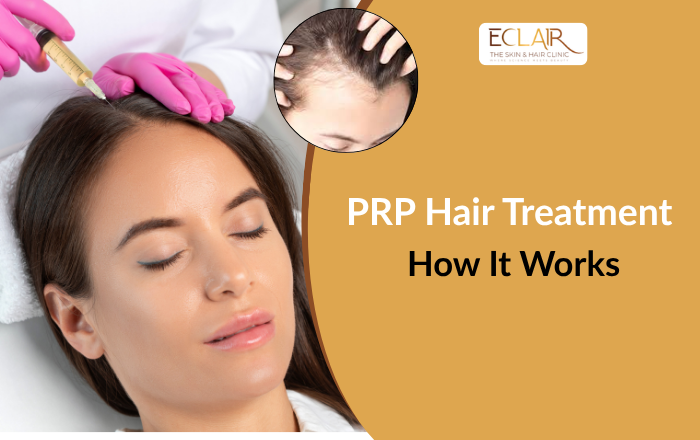
What Is PRP Hair Treatment and How Does It Work?
Are you noticing more hair on your pillow each morning? Does your scalp show through more than it used to? You’re not alone millions of people experience hair thinning and hair loss, and it can feel incredibly frustrating. The good news? There’s a natural solution gaining attention for all the right reasons: PRP hair treatment. PRP, which stands for Platelet-Rich Plasma, uses your body’s own healing power to wake up sleeping hair follicles and encourage new growth. No synthetic chemicals, no surgeries—just your own blood transformed into a powerful hair restoration treatment. If you’ve been searching for “PRP for hair loss” or wondering “how does PRP hair treatment work,” you’ve come to the right place. Let’s explore everything you need to know about this science-backed approach to fighting hair loss. Understanding PRP Hair Treatment • What Does PRP Stand For? PRP stands for Platelet-Rich Plasma. To understand what this means, let’s break it down simply. Your blood contains platelets—tiny cells that rush to the scene whenever you get a cut or injury. They’re like your body’s first responders, carrying growth factors that trigger healing and tissue repair. Plasma is the liquid part of your blood that carries these platelets throughout your body. When we concentrate these platelets into a small amount of plasma, we create a powerful mixture loaded with growth factors. This mixture can stimulate dormant hair follicles and encourage them to start growing hair again. • The Science Behind PRP for Hair Growth Think of hair follicles as tiny gardens on your scalp. Sometimes these gardens go dormant—not dead, just sleeping. The growth factors in PRP act like fertilizer, providing the nutrients and signals needed to wake these follicles up. They improve blood flow to your scalp, strengthen existing hair roots, and can even reverse some of the miniaturization that happens with pattern baldness. How Does PRP Hair Treatment Work? The process is surprisingly straightforward and takes about an hour from start to finish. Step 1: Blood DrawYour doctor draws a small amount of blood from your arm—similar to a routine blood test. Usually, this is about 10-20 milliliters, which is less than two tablespoons. Step 2: SeparationYour blood goes into a special machine called a centrifuge, which spins it at high speed. This spinning separates the different components of your blood. The platelets concentrate in the middle layer, creating plasma that’s 3-5 times richer in platelets than normal blood. Step 3: InjectionUsing a very fine needle, your doctor injects the PRP directly into areas of your scalp where hair is thinning. They target multiple spots to ensure even coverage. Most people describe the sensation as mild discomfort rather than pain. Some clinics offer numbing cream if you’re worried about sensitivity. What Happens Next? Once injected, the growth factors get to work immediately. They stimulate the stem cells in your hair follicles, increase blood supply to the area, and create an environment where hair can thrive. You won’t see results overnight—hair growth takes time—but the cellular changes begin right away. Who Should Consider PRP Hair Treatment? PRP works best for people experiencing early to moderate hair loss. If you’re noticing thinning hair, a widening part, or a receding hairline, you’re likely a good candidate. The treatment is effective for both men and women dealing with androgenetic alopecia (pattern baldness). However, PRP isn’t magic. If you have large areas of complete baldness where follicles are no longer present, PRP won’t create new follicles from scratch. You need some existing follicles for the treatment to stimulate. People with certain blood disorders or active scalp infections should also avoid PRP until these conditions are addressed. Benefits of PRP Hair Treatment 1. Natural and SafeSince PRP uses your own blood, there’s virtually no risk of allergic reactions or rejection. Your body recognizes and accepts the treatment naturally. 2. Quick RecoveryMost people return to their normal routine immediately after treatment. You might have some redness or mild tenderness at the injection sites, but this typically fades within a day or two. 3. No Surgery RequiredUnlike hair transplants, PRP doesn’t involve incisions, stitches, or lengthy recovery periods. It’s done right in the clinic during a simple office visit. 4. Proven ResultsClinical studies show that PRP can increase hair count and hair thickness. Many patients report seeing 30-40% improvement in hair density after completing their treatment series. 5. Works Well With Other TreatmentsPRP can boost the effectiveness of medications like minoxidil or work alongside other hair loss treatments you’re already using. What Results Can You Expect? Patience is key with PRP hair treatment. Hair grows slowly, and follicles need time to respond to the treatment. Most people notice initial changes around 2-3 months after their first session—this might be less hair shedding or some baby hairs appearing. Significant improvement typically shows up around the 6-month mark, with full results visible after completing the entire treatment protocol. • Treatment Schedule Standard PRP therapy involves 3-4 sessions spaced about 4-6 weeks apart. After this initial series, you’ll likely need maintenance treatments once or twice a year to keep your results. Think of it like caring for a garden—the initial planting needs attention, but once established, you just need occasional upkeep. PRP Safety and Side Effects PRP hair treatment has an excellent safety profile. Because you’re using your own blood, serious complications are rare. The most common side effects are minor: Mild soreness at injection sites Temporary redness or swelling Slight bruising (uncommon) Headache (rare) These effects usually disappear within 24-48 hours. Serious infections or allergic reactions are extremely rare when proper sterile techniques are followed. Frequently Asked Questions Q1: Is PRP hair treatment painful?Most people feel mild discomfort during injections, but it’s generally well tolerated. Q2: How many PRP sessions do I need?Usually 3–4 sessions to start, with follow-ups every few months. Q3: Is PRP safe for everyone?It’s safe for most people, but those with certain medical conditions or blood disorders may not be good candidates. Q4: Are the results permanent?PRP improves hair growth and slows