
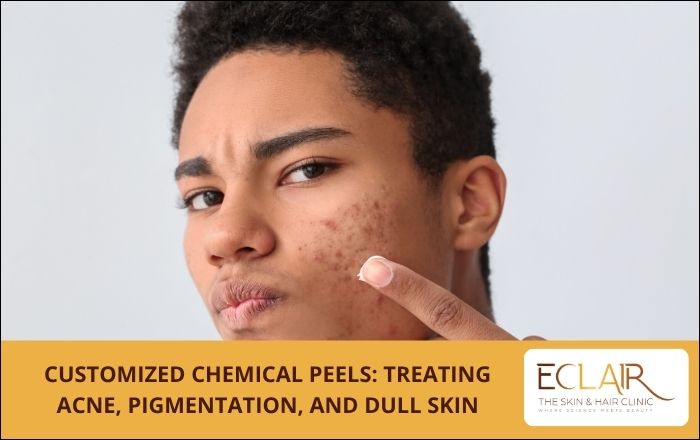
Clear, healthy-looking skin is something many people want, but acne, pigmentation, uneven skin tone, and dullness can make the skin look tired or feel difficult to manage. While skincare products can help, some skin concerns may need a more targeted approach. This is where customized chemical peels can be useful.
A chemical peel is a professional skin treatment that uses carefully selected ingredients to exfoliate the outer layers of the skin. The important word is customized. Not every skin type or concern needs the same peel, strength, or treatment frequency. A dermatologist can choose a peel according to your skin condition, sensitivity, and goals.
What Are Customized Chemical Peels?
Chemical peels involve applying a specially formulated solution to the skin for a controlled period. This helps remove dead skin cells and encourages the skin to renew itself.
Depending on your concern, a dermatologist may select different types of peeling agents and concentrations. For example, a peel used for acne-prone skin may be different from one recommended for pigmentation or dullness.
Customization helps make the treatment more suitable for your individual skin rather than following a one-size-fits-all approach.
How Can Chemical Peels Help Acne?
Acne is often associated with excess oil, clogged pores, dead skin cells, and inflammation. Certain chemical peels can help exfoliate the skin and reduce the buildup that contributes to clogged pores.
They may be considered for people dealing with:
- Mild to moderate acne
- Blackheads and whiteheads
- Excess oiliness
- Uneven skin texture
- Acne marks left after pimples heal
Chemical peels may also be used as part of a broader acne treatment plan. They are not necessarily a replacement for medicines or other treatments when acne is persistent, severe, or associated with scarring.
Chemical Peels for Pigmentation and Dark Spots
Pigmentation can develop due to several factors, including acne marks, sun exposure, hormonal changes, and inflammation. It can be frustrating when dark patches or spots remain even after the original skin problem has improved.
Certain chemical peels can help improve uneven pigmentation by promoting the removal of superficial pigmented skin cells and encouraging skin renewal. However, pigmentation can have different causes, so identifying the reason behind it is important before choosing a treatment.
Sun protection is also essential. Without regular sunscreen use, pigmentation can return or become more noticeable even after successful treatment.
Can Chemical Peels Improve Dull Skin?
Skin can look dull when dead skin cells accumulate on the surface. Environmental exposure, dehydration, lack of sleep, and an inconsistent skincare routine can also contribute to a tired-looking complexion.
A suitable chemical peel can provide controlled exfoliation, helping the skin appear smoother and fresher. Some people notice improved brightness and texture after treatment, although the results and number of sessions required vary from person to person.
Why Should the Peel Be Customized?
Using a strong peel simply because it promises faster results is not always a good idea. Skin type, sensitivity, pigmentation, active acne, previous treatments, and other factors should be considered before treatment.
A dermatologist may adjust:
- The type of peel
- Concentration or strength
- Application time
- Number of sessions
- Interval between treatments
- Post-treatment skincare
This personalized approach can help reduce the risk of unnecessary irritation and make the treatment more appropriate for your skin.
What Should You Expect After a Chemical Peel?
Depending on the type and strength of the peel, you may experience mild redness, dryness, tightness, or peeling for a short period. Stronger peels can involve more noticeable peeling and require more recovery time.
Your dermatologist will provide aftercare instructions. Generally, gentle skincare and consistent sun protection are important after a peel. Avoiding unnecessary exfoliation or irritating products during recovery can also help the skin heal comfortably.
Chemical peels should always be performed under appropriate professional guidance, particularly if you have sensitive skin, active skin conditions, or a history of pigmentation problems.
Is a Chemical Peel Right for You?
There is no single treatment that works equally well for everyone. A chemical peel may be helpful for acne, pigmentation, uneven texture, or dullness, but the right treatment depends on your specific skin concern.
A consultation with a dermatologist can help determine whether a chemical peel is suitable and which type may be appropriate. In some cases, a combination of treatments and a consistent home skincare routine may provide better results than relying on peels alone.
Acne Treatment in Kharadi – Dr. Nikita Surve
If you are looking for acne treatment in Kharadi, Dr. Nikita Surve provides personalized dermatological care based on your skin type, acne severity, and individual concerns. Acne treatment may involve a combination of skincare, medicines, procedures, or treatments such as customized chemical peels when appropriate. A professional evaluation can help identify the underlying factors contributing to acne and create a treatment plan focused on clearer, healthier-looking skin.
Frequently Asked Questions
1. Are chemical peels good for acne?
Yes, certain chemical peels may help with mild acne, clogged pores, excess oil, and acne marks when recommended by a dermatologist.
2. Can chemical peels remove pigmentation?
Chemical peels can help improve certain types of superficial pigmentation, but the appropriate treatment depends on its underlying cause.
3. How many chemical peel sessions are needed?
The number of sessions varies depending on the skin concern, peel type, and individual response to treatment.
4. Is peeling after a chemical peel normal?
Mild dryness or peeling can be expected after some peels. The amount depends on the type and strength of the treatment.
5. Can chemical peels make skin brighter?
Yes, appropriate exfoliation can help remove dead skin cells and may improve skin brightness and overall texture.