
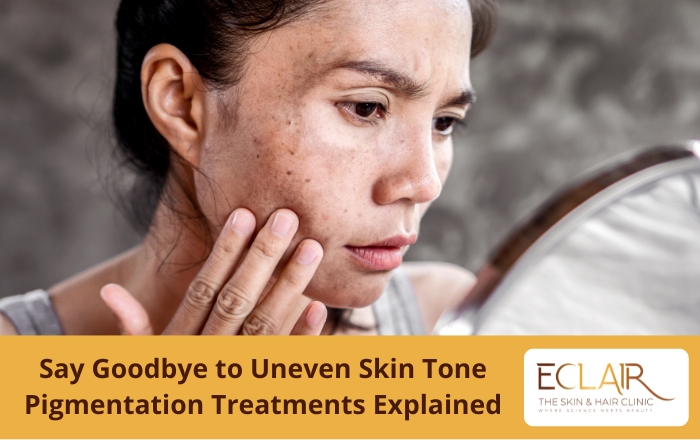
Do you notice dark patches, spots, or uneven skin tone on your face? This common skin problem is called pigmentation. It can affect anyone, at any age. The good news is that pigmentation can be treated with the right care and medical support. What Is Skin Pigmentation? Skin color is decided by a pigment called melanin. When your skin produces too much melanin in certain areas, it leads to dark spots or patches. This is called pigmentation. Pigmentation can appear on the face, neck, hands, or other body parts. Common Types of Pigmentation Here are the most common types: 1. Sun Spots These are dark spots caused by too much sun exposure. They are also called age spots. 2. Melasma Melasma causes brown or grey patches, usually on the cheeks, forehead, or upper lip. It is common during pregnancy or due to hormonal changes. 3. Post-Inflammatory Hyperpigmentation (PIH) These dark marks appear after acne, pimples, injuries, or skin irritation. 4. Freckles Small brown spots that often appear due to genetics and sun exposure. What Causes Pigmentation? Pigmentation can happen due to: Excess sun exposure Hormonal changes Acne or skin injuries Certain medicines Genetic factors Aging Understanding the cause is important for choosing the right treatment. Pigmentation Treatments Explained Modern dermatology offers safe and effective treatments to reduce pigmentation. Let’s understand them in simple terms: 1. Chemical Peels In this treatment, a special solution is applied to the skin. It removes the top damaged layer and helps fresh, clear skin come out. It is helpful for mild to moderate pigmentation. 2. Laser Treatment Laser targets the extra melanin in the skin and breaks it down. This helps reduce dark spots and improves overall skin tone. It is commonly used for deeper pigmentation. 3. Medicated Creams Dermatologists may prescribe creams that contain ingredients like kojic acid, retinoids, or vitamin C. These help lighten dark spots slowly and safely. 4. Microdermabrasion This is a gentle skin polishing treatment that removes dead skin cells and improves skin brightness. 5. Sunscreen and Skincare Routine Daily sunscreen is very important. Without sun protection, pigmentation can come back even after treatment. How Long Does It Take to See Results? Pigmentation treatment is not instant. Mild cases may improve in a few weeks, while deeper pigmentation may take a few months. Regular sessions and proper skincare are important for the best results. Can Pigmentation Be Prevented? Yes, you can reduce the chances of pigmentation by: Using sunscreen daily (SPF 30 or higher) Avoiding too much sun exposure Treating acne early Following a proper skincare routine Consulting a dermatologist for any skin changes Uneven skin tone can affect your confidence, but it is treatable. With the right diagnosis and professional treatment, you can achieve clearer and healthier skin. Always consult a qualified skin specialist to understand what works best for your skin type. Visit Eclair The Skin & Hair Clinic for Pigmentation Treatment in Kharadi If you are looking for professional pigmentation treatment in Kharadi, Eclair The Skin & Hair Clinic offers advanced and safe solutions for uneven skin tone, melasma, sun spots, and acne marks. With modern technology and personalized treatment plans, the clinic focuses on delivering natural-looking and long-lasting results. Visit : Eclair The Skin & Hair Clinic – Dr. Nikita Surve, Skin Specialist in Kharadi Address : Office No. 109 1st Floor, ZEN SQUARE, opp. Eon Free Zone Road, Phase II, Kharadi, Pune, Maharashtra 411014 Contact Number : +91 86260 96494

Melasma Treatment Options: What Works Best for Your Skin Type?
Are you tired of stubborn dark patches that just won’t fade away? You’re not alone. Many people—especially women—struggle with melasma, a common skin condition that causes brown or gray-brown patches, mainly on the face. Melasma can be frustrating because it’s hard to treat and tends to come back. But the good news? With the right treatment for your skin type, you can manage it effectively. In this blog, we’ll explore the best melasma treatment options for oily, dry, and sensitive skin—and help you choose what may work best for you. What is Melasma and Why Does It Happen? Melasma is a type of skin pigmentation caused by the overproduction of melanin. It often appears on the cheeks, forehead, nose, or upper lip. Common Causes of Melasma Sun exposure: UV rays trigger pigment production. Hormonal changes: Pregnancy, birth control pills, or hormone therapy. Genetics: Family history increases your risk. Skin irritation: Certain cosmetics or treatments can make it worse. How Skin Type Affects Melasma Different skin types respond to treatments in different ways. For example, oily skin might tolerate stronger ingredients, while sensitive skin may need gentler care. Your Fitzpatrick skin type (which measures how your skin reacts to sunlight) also plays a role. People with darker skin tones may develop melasma more easily and require extra caution with certain treatments. Melasma Treatment Options Based on Your Skin Type Finding the best melasma treatment for your skin type is key to seeing improvement without causing irritation or damage. – For Oily and Acne-Prone Skin Use light, water-based creams with ingredients like azelaic acid, niacinamide, and glycolic acid. Avoid heavy moisturizers that clog pores. Chemical peels with mild acids can help if done safely. Be cautious with lasers—oily skin can handle them, but it’s best to talk to a dermatologist first. – For Dry Skin Look for creams with kojic acid or licorice extract that help brighten without drying out your skin. Gentle exfoliators (like lactic acid) can remove dead skin and help lighten pigmentation. Always use a good moisturizer with ceramides to keep your skin barrier healthy. – For Sensitive Skin Choose fragrance-free, mild formulas. Ingredients like azelaic acid and vitamin C are usually well-tolerated. Try home remedies slowly (patch test first) to see how your skin reacts. Avoid strong peels or lasers unless advised by a dermatologist. In-Clinic Treatments That May Help For deeper melasma or when creams aren’t working, professional treatments may be more effective. 🔸 Chemical PeelsPeels using mandelic, glycolic, or lactic acid can remove the top layer of skin and lighten patches. They should always be done by a skin specialist to avoid damage or worsening. 🔸 Laser TreatmentsLasers like Q-switch or Pico lasers target deep pigment. These are useful for stubborn melasma, but not all lasers are suitable for all skin tones. Darker skin types need careful assessment before laser use. 🔸 MicroneedlingThis treatment creates small channels in the skin and allows brightening serums to work deeper. It’s often combined with tranexamic acid or vitamin C for better results. Do Home Remedies Work for Melasma? Home remedies can support your skincare routine, but they usually don’t work alone. Some natural ingredients that may help: Aloe vera gel: Soothing and hydrating Turmeric + milk paste: Mild skin brightening Licorice extract: May help fade pigmentation Apple cider vinegar: Use with caution; always dilute it and do a patch test Remember, these remedies can take time and results are often mild. Skincare Routine to Keep Melasma Under Control Sticking to a simple and consistent routine is important if you want to reduce melasma and prevent it from coming back. Use sunscreen every day (SPF 50+) – even when indoors. Avoid direct sunlight, especially during peak hours. Use a gentle cleanser, followed by brightening serums (like vitamin C). Avoid scrubbing or over-exfoliating, which can make pigmentation worse. Hydrate your skin to keep the barrier strong. When Should You See a Skin Doctor? You should consider seeing a dermatologist if: Your melasma is getting darker or spreading Over-the-counter products haven’t worked You’re unsure which ingredients are safe for your skin type You want to try peels or laser treatments safely Visit Eclair Skin Clinic in Kharadi for Melasma Help If you’re looking for safe and effective melasma treatment in Pune, Eclair Skin Clinic in Kharadi is a great option.Dr. Nikita Surve, a skin specialist at the clinic, has helped many patients manage melasma by choosing the right treatments for their specific skin type. 📍 Location: Eclair Skin Clinic, Kharadi, Pune📞 Call to book a consultation or visit the clinic to learn what treatment may suit you best. Frequently Asked Questions About Melasma Q1. Is melasma the same as freckles or age spots?No. Melasma is usually larger, darker, and caused by hormones and sun exposure. It tends to appear on both sides of the face. Q2. What is the main cause of melasma?The main cause is usually hormonal changes combined with sun exposure. This is why melasma often appears during pregnancy or when taking birth control pills. Q3. Can sunscreen help reduce melasma?Sunscreen won’t remove melasma but it’s one of the most important steps in preventing it from getting worse. Use a broad-spectrum SPF 50+ every day, even when indoors or it’s cloudy. What You Should Remember Melasma can be tricky, but it’s not something you have to live with forever. Understanding your skin type and choosing the right treatments can make a big difference. Whether you try creams, peels, or in-clinic treatments, consistency and patience are key. And if you’re unsure where to start, don’t wait. Visit Dr. Nikita Surve at Eclair Skin Clinic in Kharadi—you’ll get clear guidance on how to manage your melasma and feel more confident in your skin.

Summer Skincare Tips to Protect Your Skin from Sun Damage
With the arrival of summer, it becomes essential to pay extra attention to your skin. The scorching sun and rising temperatures can cause sunburn, premature aging, and an increased risk of skin-related issues. To ensure your skin stays healthy and glowing throughout the season, follow these expert tips recommended by Dr. Nikita Surve, a renowned Skin Specialist in Kharadi at Eclair the Hair & Skin Clinic. 1. Apply Sunscreen Religiously One of the most crucial steps to protect your skin from sun damage is using sunscreen. Opt for a broad-spectrum sunscreen with at least SPF 30 or higher. Apply it generously 20 minutes before stepping out and reapply every two hours, especially if you’re swimming or sweating. Dr. Nikita Surve emphasizes the importance of choosing a sunscreen that suits your skin type to avoid breakouts or irritation. 2. Stay Hydrated Hydration is key to maintaining healthy skin in the summer. Drink plenty of water throughout the day to keep your skin moisturized from within. Coconut water, fresh fruit juices, and green tea are great alternatives to keep your skin hydrated and flush out toxins. 3. Wear Protective Clothing Besides sunscreen, wearing protective clothing is another effective way to shield your skin from harmful UV rays. Opt for loose, light-colored, and breathable fabrics like cotton or linen. Wide-brimmed hats and UV-protective sunglasses can also help prevent sun damage to your face and eyes. 4. Follow a Gentle Skincare Routine A proper skincare routine is essential to combat summer-related skin concerns. Dr. Nikita Surve from Eclair the Hair & Skin Clinic suggests the following regimen: Cleansing: Use a mild cleanser twice a day to remove excess oil and dirt. Exfoliation: Exfoliate 2-3 times a week to remove dead skin cells and unclog pores. Moisturizing: Opt for a lightweight, non-comedogenic moisturizer to keep your skin hydrated without making it greasy. Toning: Use an alcohol-free toner to maintain your skin’s pH balance and minimize pores. 5. Avoid Peak Sun Hours The sun’s rays are the strongest between 10 AM and 4 PM. If possible, try to stay indoors during these hours. If you must go out, seek shade and apply sunscreen diligently. Wearing a wide-brimmed hat and UV-protective sunglasses can further shield your skin from harmful rays. Choose lightweight, long-sleeved clothing to provide additional protection. Planning outdoor activities in the early morning or late evening can help minimize sun exposure. 6. Use Antioxidant-Rich Products Antioxidants help fight free radicals caused by sun exposure. Look for skincare products infused with Vitamin C, Vitamin E, and green tea extracts to keep your skin protected and youthful. Dr. Nikita Surve recommends incorporating a Vitamin C serum into your daily skincare routine for added sun defense. 7. Soothe Sunburned Skin Despite taking precautions, if you experience sunburn, act quickly to soothe your skin. Apply aloe vera gel or a cooling cucumber mask to reduce inflammation and redness. Drinking extra fluids and using cold compresses can also help in the healing process. Avoid further sun exposure until your skin has healed completely. Using a moisturizer with ingredients like chamomile or calendula can help reduce discomfort. If the sunburn is severe and blistering, consult a dermatologist for appropriate treatment. 8. Eat a Skin-Friendly Diet Your diet plays a significant role in maintaining healthy skin. Include foods rich in omega-3 fatty acids, antioxidants, and vitamins to enhance skin repair and protection. Berries, tomatoes, green leafy vegetables, and nuts are excellent choices for summer skincare. Staying hydrated with water-rich fruits like watermelon and cucumber helps maintain skin moisture. Probiotic-rich foods such as yogurt and kefir can improve gut health, which in turn benefits your skin. Avoid excessive sugar and processed foods, as they can contribute to inflammation and breakouts. 9. Avoid Heavy Makeup Heavy makeup can clog pores and lead to breakouts in the hot and humid climate. Opt for minimal, lightweight makeup or go makeup-free to let your skin breathe. If necessary, use a tinted sunscreen or BB cream for a natural look. Choose oil-free and non-comedogenic products to prevent clogged pores. Blotting papers can be useful for absorbing excess oil without adding more product. Always remove makeup before bed using a gentle cleanser to keep your skin fresh and clear. 10. Consult a Skin Specialist in Kharadi If you experience persistent skin issues such as sun allergies, pigmentation, or acne flare-ups during summer, it is best to seek professional advice. Dr. Nikita Surve at Eclair the Hair & Skin Clinic provides expert guidance and customized skincare treatments to help maintain healthy, radiant skin throughout the season. Taking care of your skin in summer requires a combination of proper skincare, a healthy diet, and preventive measures. By following these expert tips and consulting a Skin Specialist in Kharadi like Dr. Nikita Surve, you can enjoy the sunny season without compromising your skin’s health. Stay hydrated, wear sunscreen, and embrace a skincare routine that keeps your skin glowing and protected all summer long!