
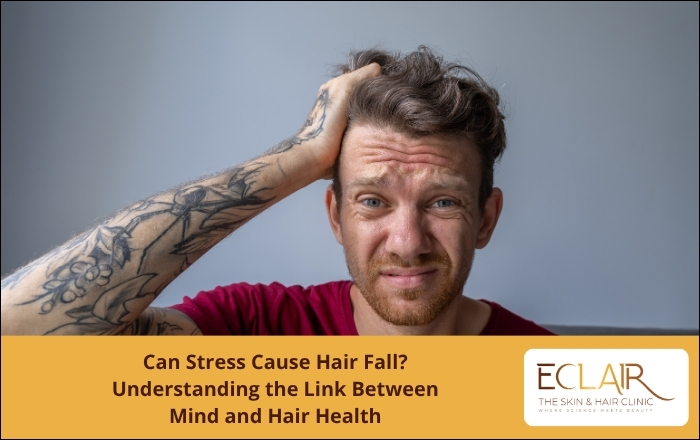
Hair fall is one of the most common concerns people face today. While factors like genetics, nutrition, and hormonal imbalance are often discussed, one major trigger is frequently overlooked—stress. If you’ve noticed increased hair shedding during difficult phases of life, you’re not imagining it. Stress can indeed play a significant role in hair loss.
Let’s explore how stress affects your hair and what you can do about it.
How Does Stress Cause Hair Fall?
Stress impacts your body in multiple ways, including disrupting the natural hair growth cycle. Normally, your hair goes through three stages—growth (anagen), rest (telogen), and shedding (exogen). When stress levels rise, this cycle gets disturbed.
1. Telogen Effluvium
This is the most common stress-related hair loss condition. A large number of hair follicles enter the resting phase prematurely, leading to excessive shedding after a few months. You may notice hair fall while combing, washing, or even touching your hair.
2. Alopecia Areata
Severe stress can trigger an autoimmune response where the body attacks its own hair follicles. This leads to sudden patchy hair loss on the scalp or other areas.
3. Trichotillomania
In some cases, stress leads to a psychological condition where a person feels an urge to pull out their own hair as a coping mechanism.
Signs Your Hair Fall Might Be Due to Stress
- Sudden increase in hair shedding
- Hair thinning all over the scalp
- Hair fall after emotional or physical trauma
- Noticeable hair loss 2–3 months after a stressful event
- No family history of hair loss, yet experiencing it
Other Factors That Can Worsen Stress-Related Hair Fall
Stress often comes with other lifestyle changes that indirectly affect hair health:
- Poor sleep patterns
- Nutritional deficiencies
- Hormonal imbalance
- Increased use of junk or processed food
- Reduced self-care routines
How to Control Stress-Induced Hair Fall
1. Manage Stress Effectively
Practice relaxation techniques like yoga, meditation, deep breathing, or even regular walks. Mental health plays a key role in hair health.
2. Maintain a Balanced Diet
Include protein-rich foods, iron, biotin, and vitamins. Foods like leafy greens, nuts, eggs, and fruits help nourish your hair from within.
3. Follow a Healthy Hair Care Routine
Avoid excessive heat styling, chemical treatments, and tight hairstyles. Use mild shampoos and condition regularly.
4. Get Proper Sleep
Lack of sleep increases cortisol (stress hormone) levels, which can worsen hair fall.
5. Seek Professional Help
If hair fall persists for more than 2–3 months, consult a specialist to identify the root cause and start appropriate treatment.
Can Hair Grow Back After Stress?
Yes, in most cases, stress-related hair loss is temporary and reversible. Once the stress is managed and your body returns to normal, hair growth gradually resumes. However, early intervention can speed up recovery and prevent further damage.
FAQs – Can Stress Cause Hair Fall?
1. How long does stress-related hair fall last?
It usually starts 2–3 months after a stressful event and can last for 3–6 months if not managed.
2. Can anxiety cause permanent hair loss?
In most cases, no. Stress-related hair loss is temporary, but chronic stress may prolong the condition.
3. How much hair fall is normal during stress?
Losing 50–100 strands daily is normal, but stress can increase it to 200–300 strands or more.
4. Does meditation help reduce hair fall?
Yes, meditation helps lower stress levels, which can indirectly reduce hair fall.
5. Should I take supplements for stress-related hair loss?
Only after consulting a doctor. Supplements like biotin, iron, and vitamin D may help if you have deficiencies.
For personalized care and effective treatment of hair fall concerns, consult Dr. Nikita Surve, a trusted expert in skin and hair health. With a patient-focused approach and advanced treatment methods, she helps individuals address the root causes of hair fall and achieve long-lasting results.
If you’re experiencing hair fall and suspect stress might be the cause, don’t ignore it—your hair is often a reflection of your overall well-being.