
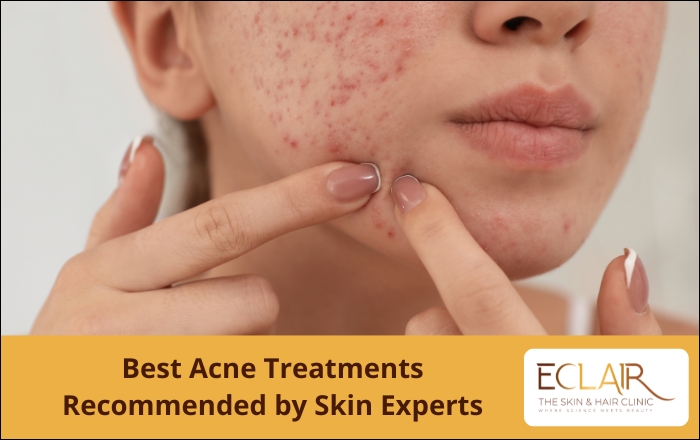
Acne is one of the most common skin problems affecting teenagers and adults alike. Pimples, blackheads, whiteheads, and painful cystic acne can impact confidence and skin health. The good news is — acne is treatable when managed correctly with expert guidance and the right skincare routine.
In this blog, we’ll explain doctor-recommended acne treatments in simple language so everyone can understand what really works.
What Causes Acne?
Acne develops when hair follicles become blocked with oil (sebum), dead skin cells, and bacteria. Several factors can trigger breakouts:
- Excess oil production
- Hormonal changes (teenage years, PCOS, pregnancy)
- Stress and poor sleep
- Oily cosmetics or skincare products
- Pollution and sweating
- Unhealthy diet and high sugar intake
Understanding the cause helps dermatologists choose the best treatment.
1. Medical Skincare Products (Doctor-Approved)
Skin specialists usually start acne treatment with medicated skincare.
– Cleansers
- Gentle salicylic acid or benzoyl peroxide face washes
- Remove oil and unclog pores
- Prevent new pimples
– Topical Creams & Gels
Dermatologists may prescribe:
- Retinoids (reduce blocked pores)
- Antibiotic creams (control bacteria)
- Niacinamide or azelaic acid (reduce redness)
Important: Avoid self-medication. Wrong products can worsen acne.
2. Oral Medications for Moderate to Severe Acne
When creams alone are not enough, doctors may recommend medicines such as:
- Oral antibiotics to control infection
- Hormonal treatment for women with hormonal acne
- Isotretinoin for severe cystic acne (strict medical supervision required)
These treatments reduce oil production and prevent long-term scarring.
3. Chemical Peels for Acne Control
Chemical peels are one of the most popular dermatologist treatments.
How they help:
- Remove dead skin buildup
- Reduce oiliness
- Improve acne marks
- Brighten dull skin
Mild peels using salicylic acid or glycolic acid are commonly used for acne patients.
4. Laser & Advanced Acne Treatments
Modern dermatology offers advanced options for stubborn acne:
- Laser therapy to reduce inflammation
- Light therapy to kill acne-causing bacteria
- Carbon laser facials for oily skin
- Acne scar reduction treatments
These procedures are safe when performed by trained skin specialists.
5. Professional Acne Extraction
Many people squeeze pimples at home — which causes scars and infection.
Dermatologists perform sterile acne extraction, which:
- Removes blackheads safely
- Prevents permanent marks
- Speeds healing
6. Diet & Lifestyle Changes Recommended by Experts
Treatment works best when supported by healthy habits.
Skin expert tips:
– Drink enough water
– Reduce sugar and processed foods
– Sleep 7–8 hours daily
– Manage stress levels
– Avoid touching or picking pimples
– Use non-comedogenic skincare products
Small lifestyle improvements can significantly reduce breakouts.
7. Acne Scar Prevention — Start Early
Many people treat acne late, after scars appear. Early treatment helps prevent:
- Dark spots (PIH)
- Pitted scars
- Uneven skin texture
Consulting a dermatologist early ensures faster recovery and healthier skin.
When Should You See a Skin Specialist?
Visit a dermatologist if you notice:
- Painful or cystic acne
- Acne lasting more than 3 months
- Acne leaving marks or scars
- Adult acne or hormonal acne
- Over-the-counter products not working
Professional treatment saves time, money, and skin damage.
Acne Treatment in Kharadi — Expert Care by Dr. Nikita Surve
If you are struggling with persistent pimples, acne scars, or oily skin concerns, consulting a qualified dermatologist is essential. Dr. Nikita Surve, a trusted Skin Specialist in Kharadi, offers personalized acne treatment plans based on individual skin type and severity. Her approach focuses on accurate diagnosis, advanced dermatology treatments, medical skincare guidance, and long-term acne prevention. Patients seeking safe and effective acne treatment in Kharadi can benefit from expert evaluation and customized solutions designed to restore clear, healthy skin.
Acne is treatable — but the right treatment depends on the cause and skin type. Instead of experimenting with random products, follow dermatologist-recommended therapies, maintain healthy habits, and seek expert care early.
Clear skin is not about quick fixes — it’s about scientific treatment + consistency + expert guidance.