
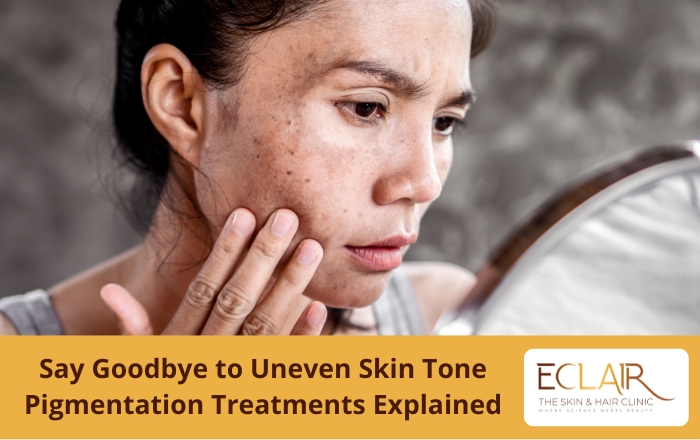
Do you notice dark patches, spots, or uneven skin tone on your face? This common skin problem is called pigmentation. It can affect anyone, at any age. The good news is that pigmentation can be treated with the right care and medical support. What Is Skin Pigmentation? Skin color is decided by a pigment called melanin. When your skin produces too much melanin in certain areas, it leads to dark spots or patches. This is called pigmentation. Pigmentation can appear on the face, neck, hands, or other body parts. Common Types of Pigmentation Here are the most common types: 1. Sun Spots These are dark spots caused by too much sun exposure. They are also called age spots. 2. Melasma Melasma causes brown or grey patches, usually on the cheeks, forehead, or upper lip. It is common during pregnancy or due to hormonal changes. 3. Post-Inflammatory Hyperpigmentation (PIH) These dark marks appear after acne, pimples, injuries, or skin irritation. 4. Freckles Small brown spots that often appear due to genetics and sun exposure. What Causes Pigmentation? Pigmentation can happen due to: Excess sun exposure Hormonal changes Acne or skin injuries Certain medicines Genetic factors Aging Understanding the cause is important for choosing the right treatment. Pigmentation Treatments Explained Modern dermatology offers safe and effective treatments to reduce pigmentation. Let’s understand them in simple terms: 1. Chemical Peels In this treatment, a special solution is applied to the skin. It removes the top damaged layer and helps fresh, clear skin come out. It is helpful for mild to moderate pigmentation. 2. Laser Treatment Laser targets the extra melanin in the skin and breaks it down. This helps reduce dark spots and improves overall skin tone. It is commonly used for deeper pigmentation. 3. Medicated Creams Dermatologists may prescribe creams that contain ingredients like kojic acid, retinoids, or vitamin C. These help lighten dark spots slowly and safely. 4. Microdermabrasion This is a gentle skin polishing treatment that removes dead skin cells and improves skin brightness. 5. Sunscreen and Skincare Routine Daily sunscreen is very important. Without sun protection, pigmentation can come back even after treatment. How Long Does It Take to See Results? Pigmentation treatment is not instant. Mild cases may improve in a few weeks, while deeper pigmentation may take a few months. Regular sessions and proper skincare are important for the best results. Can Pigmentation Be Prevented? Yes, you can reduce the chances of pigmentation by: Using sunscreen daily (SPF 30 or higher) Avoiding too much sun exposure Treating acne early Following a proper skincare routine Consulting a dermatologist for any skin changes Uneven skin tone can affect your confidence, but it is treatable. With the right diagnosis and professional treatment, you can achieve clearer and healthier skin. Always consult a qualified skin specialist to understand what works best for your skin type. Visit Eclair The Skin & Hair Clinic for Pigmentation Treatment in Kharadi If you are looking for professional pigmentation treatment in Kharadi, Eclair The Skin & Hair Clinic offers advanced and safe solutions for uneven skin tone, melasma, sun spots, and acne marks. With modern technology and personalized treatment plans, the clinic focuses on delivering natural-looking and long-lasting results. Visit : Eclair The Skin & Hair Clinic – Dr. Nikita Surve, Skin Specialist in Kharadi Address : Office No. 109 1st Floor, ZEN SQUARE, opp. Eon Free Zone Road, Phase II, Kharadi, Pune, Maharashtra 411014 Contact Number : +91 86260 96494
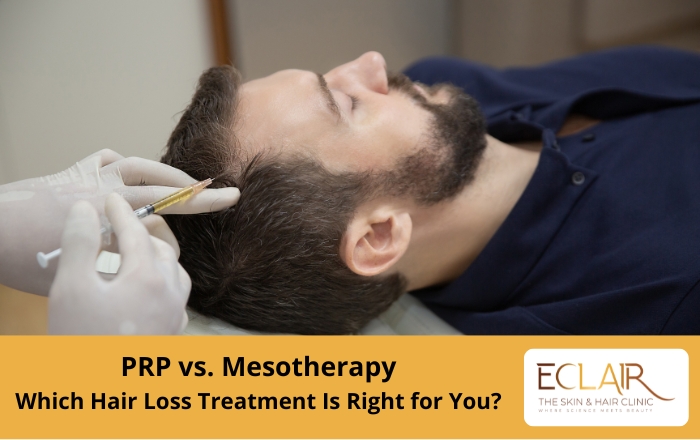
PRP vs. Mesotherapy: Which Hair Loss Treatment Is Right for You?
Hair loss is one of the most common problems seen in both men and women today. Stress, hormonal imbalance, poor diet, pollution, and genetics can all lead to thinning hair. The good news is that modern treatments like PRP therapy and Mesotherapy can help control hair fall and improve hair growth. But many people ask — PRP vs. Mesotherapy: which hair loss treatment is better? In this blog, we will explain both treatments in simple language so you can understand which option may be right for you. What is PRP Hair Treatment? PRP stands for Platelet-Rich Plasma. In this treatment: A small amount of your blood is taken. The blood is processed in a machine to separate the platelet-rich plasma. This concentrated plasma is injected into the scalp. Platelets contain growth factors that help: Stimulate hair roots Improve blood supply Reduce hair thinning Promote natural hair growth Since PRP uses your own blood, it is considered a safe and natural treatment. Benefits of PRP for Hair Loss 100% natural (uses your own blood) No major side effects Improves hair thickness Suitable for early-stage hair loss Helps in male and female pattern baldness What is Mesotherapy for Hair Loss? Mesotherapy is a treatment where a mixture of: Vitamins Minerals Amino acids Hair growth boosters is injected directly into the scalp. These nutrients help: Nourish weak hair roots Improve scalp health Reduce hair fall Strengthen thin hair Mesotherapy is especially helpful when hair fall is caused by nutritional deficiency or poor scalp health. Benefits of Mesotherapy Improves scalp nutrition Reduces dandruff and dryness Strengthens weak hair Quick procedure with minimal downtime Which Hair Loss Treatment Is Better? There is no one-size-fits-all answer. If your hair loss is due to genetics or hormonal issues, PRP may give better results. If your hair fall is due to stress, poor diet, or scalp problems, Mesotherapy may be more helpful. In some cases, dermatologists recommend combination therapy for better and faster results. The right treatment depends on: Your age Type of hair loss Stage of baldness Overall health That is why proper consultation with a qualified skin and hair specialist is important before starting treatment. Is PRP or Mesotherapy Painful? Both treatments involve small injections into the scalp. Mild discomfort may be felt, but numbing cream is applied to reduce pain. Most patients tolerate the procedure well. How Soon Can You See Results? Hair fall reduction can be noticed within 1–2 months. Visible hair growth usually starts after 3–4 months. Full results are seen after completing recommended sessions. Patience and consistency are important for best results. Who Should Avoid These Treatments? People with severe bald patches Patients with certain blood disorders (for PRP) Active scalp infections Pregnant women (depending on case) A proper medical evaluation is necessary before starting. Final Thoughts Both PRP and Mesotherapy are effective non-surgical hair loss treatments. The right choice depends on your hair condition and medical history. Early treatment gives better results, so do not ignore continuous hair fall. If you are confused about which treatment is suitable for you, consult a qualified dermatologist for a personalized treatment plan. Consult Dr. Nikita Surve – Skin & Hair Specialist in Kharadi If you are looking for advanced hair loss treatment in Kharadi, consult Dr. Nikita Surve – Skin & Hair Specialist in Kharadi. Dr. Nikita Surve offers personalized treatment plans for: PRP Hair Treatment Mesotherapy for Hair Loss Hair Fall Treatment Acne & Skin Treatments With expert diagnosis and modern technology, you can get safe and effective solutions for your hair concerns. Book your consultation today and take the first step towards healthier, thicker hair. Frequently Asked Questions 1. Which is better for hair loss, PRP or Mesotherapy?PRP is better for genetic hair loss, while Mesotherapy works well for nutritional and scalp-related hair fall. 2. How many PRP sessions are needed for hair growth?Usually 3–6 sessions are recommended, depending on hair condition. 3. Is Mesotherapy safe for hair treatment?Yes, when performed by a qualified dermatologist, Mesotherapy is safe and effective. 4. When will I see results after PRP treatment?Hair fall reduces within 1–2 months, and visible growth can be seen after 3–4 months. 5. Can PRP and Mesotherapy be combined?Yes, in some cases doctors combine both treatments for better and faster results.
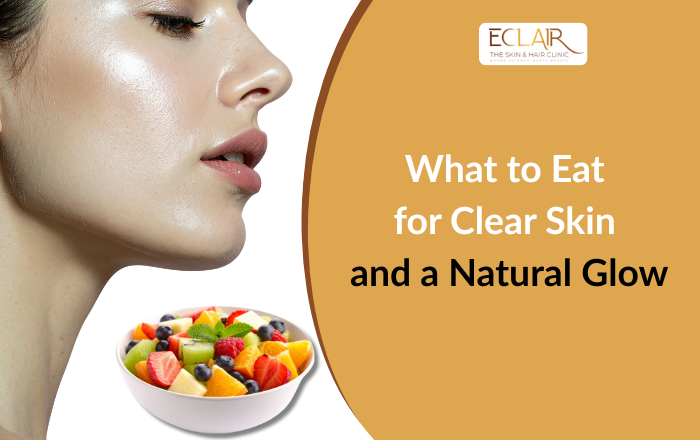
What to Eat for Clear Skin and a Natural Glow
Your skin reflects what’s happening inside your body. Let’s make it glow from within. Want to know the secret to beautiful, glowing skin? It starts with what you eat! If you’ve been struggling with breakouts, dull skin, or uneven tone, your diet might be the missing piece of the puzzle. Let’s explore the best foods for clear skin and discover how simple changes to your plate can give you that natural, radiant glow you’ve been dreaming of. The Food-Skin Connection: Why Your Diet MattersYour skin is your body’s largest organ, and just like your heart or brain, it needs proper nutrition to function well. When you eat foods packed with vitamins, minerals, and healthy fats, your skin gets the fuel it needs to repair itself, fight inflammation, and stay healthy. Think of it this way: acne, dryness, and premature aging often happen when your skin isn’t getting enough nutrients. The good news? You can change this starting today! Top Foods to Eat for Clear Skin 1. Fatty Fish (Salmon, Mackerel, Sardines)These fish are loaded with omega-3 fatty acids that reduce inflammation and keep your skin moisturized from within. Omega-3s help calm angry, red breakouts and support your skin’s natural barrier. Try to eat fatty fish 2-3 times per week for best results. 2. Colorful Fruits and Vegetables Berries like strawberries, blueberries, and raspberries are packed with antioxidants that fight free radicals and slow down aging. Sweet potatoes give you beta-carotene, which your body converts to vitamin A—essential for skin repair and that healthy glow. Leafy greens like spinach and kale help detoxify your body and provide vitamin K for even skin tone. Bell peppers are rich in vitamin C, which boosts collagen production and keeps your skin firm and bouncy. Tomatoes contain lycopene, a powerful antioxidant that protects your skin from sun damage. 3. Nuts and SeedsWalnuts provide omega-3s, while sunflower seeds offer vitamin E to protect your skin from damage. Pumpkin seeds are fantastic for fighting acne because they’re rich in zinc, which helps control oil production and reduces inflammation. 4. AvocadosAvocados are full of healthy fats that keep your skin soft and hydrated. They also contain vitamins E and C, which work together to protect your skin and support collagen production. 5. Green TeaSwap your regular tea or coffee for green tea. It contains powerful antioxidants called EGCG that reduce redness, fight inflammation, and protect against sun damage. Drink 2-3 cups daily for glowing results. 6. Fermented FoodsYogurt, kefir, kimchi, and sauerkraut contain probiotics that support gut health. Since your gut and skin are closely connected, a healthy gut often means clearer skin. These foods help reduce inflammation and can significantly improve acne. 7. Water-Rich FoodsCucumbers, watermelon, and celery help keep your skin hydrated from the inside out. Well-hydrated skin looks plumper, fresher, and more radiant. Foods to Avoid for Clearer Skin ▹Watch Out for High-Sugar FoodsWhite bread, pastries, candy, and sugary drinks spike your blood sugar, which triggers inflammation and increases oil production. This often leads to breakouts. Choose whole grains, fruits, and complex carbs instead. ▹Consider Reducing DairySome people find that milk, cheese, and ice cream trigger their acne. This happens because dairy contains hormones that can throw off your skin’s balance. If you suspect dairy is causing problems, try plant-based alternatives like almond or oat milk for a few weeks. ▹Limit Fried and Processed FoodsFried foods and packaged snacks contain unhealthy fats that promote inflammation and can speed up skin aging. They also lack the nutrients your skin needs to stay healthy. Simple Meal Ideas for Glowing Skin ▹Breakfast: Greek yogurt topped with fresh berries and a handful of walnuts Whole grain toast with mashed avocado and sliced tomatoes Smoothie with spinach, banana, and chia seeds ▹Lunch: Grilled salmon with a big mixed salad Quinoa bowl with roasted colorful vegetables Vegetable soup with lentils ▹Dinner: Baked fish with sweet potato and steamed broccoli Stir-fried tofu with bell peppers and brown rice Chickpea curry with spinach ▹Snacks: A small piece of dark chocolate (70% cacao) with almonds Carrot sticks with hummus Apple slices with almond butter Other Habits That Help Your Skin Glow Drink Plenty of Water: Aim for 8-10 glasses daily. Water flushes out toxins and keeps your skin plump and dewy. Get Enough Sleep: Your skin repairs itself while you sleep. Try to get 7-9 hours each night. Move Your Body: Exercise increases blood flow to your skin, giving you that post-workout glow. It also helps reduce stress, which is a common trigger for breakouts. Manage Stress: High stress levels increase cortisol, which can trigger acne and other skin problems. Try yoga, meditation, or simply taking time to relax. When Diet Isn’t Enough Sometimes, eating well isn’t enough to solve stubborn skin problems. If you’re dealing with persistent acne, dark spots, severe dryness, or other concerns that won’t go away, it’s time to see a dermatologist. A skin doctor can identify underlying issues, prescribe treatments if needed, and guide you toward the best solutions for your specific skin type and concerns. Your Journey to Clear, Glowing Skin Starts Now Beautiful skin doesn’t happen overnight, but with the right foods and healthy habits, you’ll start seeing changes within 4-6 weeks. Be patient with yourself and stay consistent. Your skin is a reflection of your overall health, and when you nourish your body properly, it shows! Remember: clear, glowing skin comes from combining good nutrition with proper skincare, enough water, quality sleep, and stress management. You’re not just feeding your body—you’re feeding your confidence too. Need Help with Your Skin Concerns? If you’re in Pune and looking for professional guidance to achieve your skin goals, Eclair Clinic in Kharadi is here to help. Dr. Nikita Surve offers effective treatments for acne, pigmentation, and various skin concerns, helping you get the clear, healthy skin you deserve. Whether you need medical treatment for stubborn issues or want to combine professional care with your healthy lifestyle, Dr. Surve can create a treatment plan that works for you. Visit